Author: Marshall Stanley

What Are Custom Metal Gates and Why Are They a Smart Investment for Your Property?

Custom Metal Gates

There is something instantly noticeable about a well designed entrance. Before anyone steps onto your property, the gate sets the tone. It can feel welcoming, secure, elegant, or bold depending on its design. Custom metal gates offer a unique combination of strength and style, turning a simple entry point into a statement feature.

More than just a barrier, a custom metal gate provides security, privacy, and visual appeal. With the right design and materials, it can enhance the overall look of your property while serving a practical purpose. Understanding how custom metal gates work and what they offer can help you make the best choice for your space. Visit https://www.83metalcraftboise.com/ for more details.

What Are Custom Metal Gates

Custom metal gates are specially designed entry gates made from materials such as steel, aluminum, or iron. Unlike standard options, they are tailored to fit specific dimensions, styles, and functional needs.

These gates can be created for driveways, walkways, gardens, or commercial entrances. Each design is customized to match the architecture and preferences of the property owner.

Customization allows for unique features such as decorative patterns, specific finishes, and integrated security elements. This ensures that the gate is both functional and visually appealing.

The result is a gate that reflects personal style while providing durability and protection.

Types of Custom Metal Gates

Custom metal gates come in a variety of styles to suit different needs. Swing gates are a common option, opening inward or outward like a door. They are often used for residential driveways and entryways.

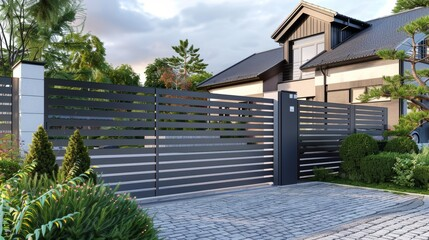
Sliding gates are another popular choice, especially for properties with limited space. These gates move horizontally along a track, making them practical for tight areas.

Pedestrian gates are designed for walkways and smaller entrances. They provide easy access while maintaining security.

Decorative gates focus on design and visual appeal. They often include intricate patterns and artistic elements that enhance the overall look of the property.

Each type offers different benefits, and the choice depends on the layout and purpose of the gate.

Materials Used in Custom Metal Gates

The material used in a metal gate plays a major role in its performance and appearance. Steel is known for its strength and durability, making it a popular choice for security focused designs.

Aluminum is lightweight and resistant to corrosion. It is often used for gates that require less maintenance and are exposed to outdoor conditions.

Iron is commonly used for decorative gates. It can be shaped into intricate designs that add elegance and character.

Stainless steel offers a modern look and strong resistance to rust. It is ideal for sleek and contemporary designs.

Choosing the right material ensures that the gate meets both functional and aesthetic requirements.

Benefits of Custom Metal Gates

Custom metal gates offer several advantages that make them a valuable addition to any property. One of the most important benefits is security. A strong metal gate acts as a barrier that helps protect your property.

Durability is another key advantage. Metal gates can withstand weather conditions and heavy use, making them a long lasting solution.

Customization allows you to create a design that matches your style and complements your property. This enhances curb appeal and creates a strong first impression.

Privacy is also improved with certain designs. Solid or partially enclosed gates can limit visibility from the outside.

In addition, custom gates can increase property value by adding both functionality and visual appeal.

The Design and Fabrication Process

Creating a custom metal gate involves several steps. The process begins with design, where measurements and preferences are discussed.

Designers create plans that include dimensions, materials, and decorative elements. This ensures that the final product meets expectations.

Fabrication follows, where the metal is cut, shaped, and assembled. Skilled craftsmanship is required to achieve precise and durable results.

Finishing is the final step. This may include painting, coating, or polishing to enhance appearance and protect the metal.

Each stage is important for ensuring that the gate is both functional and visually appealing.

Custom Features and Additions

Custom metal gates can include a variety of features to enhance functionality and convenience. Automation is a popular option, allowing gates to open and close with remote controls or sensors.

Security features such as locks, access control systems, and cameras can be integrated into the design. These additions provide extra protection and peace of mind.

Lighting can also be incorporated to improve visibility and highlight the gate’s design. This adds both safety and aesthetic value.

Decorative elements such as patterns, initials, or unique shapes allow for personalization. These details make the gate truly one of a kind.

Custom features ensure that the gate meets specific needs and preferences.

Maintenance and Longevity

Proper maintenance helps ensure that a custom metal gate remains in good condition. Regular cleaning removes dirt and prevents buildup that can affect appearance.

Protective coatings help prevent rust and corrosion, especially for outdoor gates. Reapplying these coatings as needed extends the life of the gate.

Inspecting hinges, tracks, and moving parts ensures smooth operation. Addressing small issues early prevents larger problems.

With proper care, custom metal gates can last for many years while maintaining their functionality and appearance.

Choosing the Right Custom Metal Gate

Selecting the right gate involves considering several factors. The purpose of the gate is one of the most important. Security, privacy, and design all play a role in the decision.

The size and layout of the property influence the type of gate that will work best. Space limitations may require specific designs such as sliding gates.

Material choice affects durability and maintenance requirements. It is important to choose a material that suits your environment.

Design preferences should also be considered. The gate should complement the overall style of the property.

Taking these factors into account helps ensure that the final result meets your needs.

Final Thoughts

Custom metal gates offer a perfect blend of functionality and design. They provide security, enhance privacy, and add a distinctive visual element to any property.

By understanding the different types, materials, and features available, you can create a gate that reflects your style while meeting practical needs. With proper design and maintenance, a custom metal gate becomes a long lasting investment.

In the end, a custom metal gate is more than just an entry point. It is a statement of quality, craftsmanship, and attention to detail that enhances the overall character of your property.

Hidden Signs of Water Damage That Most Homeowners Miss

Hidden Signs of Water Damage That Most Homeowners Miss

Water damage doesn’t announce itself with a flood or an obvious crack in the foundation. But it does leave early warning signs-paint that bubbles or peels, rooms that feel cold and damp, spongy floors, and more.

Paying attention to these clues can save you from serious home repair bills down the line. Here are a few of the most common hidden signs to look for. Visit Water Damage Restoration Salt Lake City to learn more.

1. Persistent Musty Smell

Often, the first clue to water damage is the telltale musty odor that lingers. Persistent odors are a sign of hidden mold or mildew, which can lead to health complications and structural damage. Detecting this early can prevent expensive repairs and protect your home’s value.

The stale, earthy scent of musty odors is due to the growth of mold and mildew colonies in porous materials like drywall, insulation and carpeting. The colonies release volatile organic compounds, or VOCs, that emit the distinct odor. The musty odor is particularly common in damp areas, such as basements, attics and bathrooms. The odor is also a result of poor ventilation, which traps stale air and fuels mold growth. Regular use of exhaust fans, open windows and systems like energy recovery ventilators (ERVs) can help keep humidity in the range of 30-50% to reduce musty odors.

Other signs of hidden mold include sagging or discolored carpeting, ceilings and walls. Water damage in these areas can also promote the formation of fungus underneath carpeting, which is difficult to see and even harder to clean.

Leaks in ceilings and walls are a significant problem because they can cause severe water damage and structural issues. Checking under sinks, around windows and inside closets for damp spots or discoloration can catch leaks before they worsen. Using a moisture meter on suspect drywall and flooring can pinpoint the source of the issue.

Unexpected spikes in your water bill are another clue to hidden leaks. If the increase is accompanied by a musty smell, it may indicate a plumbing problem in your roof, underground or behind-the-walls.

In addition to causing structural problems and promoting mold and mildew, water damage can compromise electrical safety and create the ideal environment for insects and pests. Rodents, cockroaches and termites love damp environments and can chew through wooden structures and wires, posing serious safety hazards for your family. Regular inspections, quick repairs and careful drying can prevent these issues.

2. Water Stains

When water seeps into drywall and other materials, it leaves behind mineral deposits and discoloration. These stains are usually darker when they first appear, as the damage is new and the water has not had time to dry. Stains can be found under windows, near plumbing fixtures, or on the ceilings of kitchens and bathrooms. They are typically yellow or brown in color and indicate a hidden leak or water intrusion. Left unchecked, a persistent staining problem can lead to mold growth and structural issues within your home.

A sagging floor or a warped ceiling are both signs of hidden water damage that can cause serious problems if not addressed. These issues can result in weakened foundations, structural instability, and a decrease in your property value. If you notice these symptoms, contact a water mitigation company right away for an inspection and water remediation.

While not as obvious as the other indicators, a sudden increase in your water bill may be a sign of hidden water damage. A leaking water pipe may be causing your water bill to rise without a corresponding increase in usage. A water leak may also be the reason for low water pressure in certain areas of your home.

Persistent mold and mildew odors can be another indicator of hidden water damage. This smell is generally strongest in rooms that have sustained the most severe or long-standing water damage. A musty odor can be a sign of mold and mildew colonies that are growing rapidly. This growth can create health issues for family members and pets, and it is important to take action right away. A quick and thorough water mitigation process can restore the affected rooms to a safe condition.

3. Warped Floors

If your wood floors seem to be sagging or have an uneven surface, they’re a clear indicator that moisture has caused structural damage. This is a major problem because it indicates that the wood has been penetrated and may cause mold, rot, and other issues that can be difficult to repair. Warped flooring also means that the water damage has been causing wood to expand and shift, which could weaken the structure of your home.

Look for water-staining on the floorboards themselves or on the walls or ceiling near your flooring. These stains are another clear sign that there is a water leak somewhere in your home, and the longer this is left unchecked, the more expensive and dangerous the problem becomes.

If you’re concerned that your water damage might be getting worse, or you’ve already noticed a few of the signs above, it’s important to take action quickly. This will help prevent further damage and save you money in the long run.

The best way to spot hidden water damage is to pay attention to the areas of your home where there are often moisture problems, such as basements, attics, and crawl spaces. These areas are more likely to have moisture issues because they can’t be easily ventilated, and water can gather underneath insulation or drywall and cause damage over time.

You can also spot the presence of water damage by looking for sagging ceilings, dark spots on your floorboards, or damp or musty spots under carpeting. If you see any of these symptoms, it’s important to get a professional assessment right away.

If your hardwood floors are showing signs of damage, call Loudoun Valley Floors right away. We have decades of experience installing, repairing, and maintaining hardwood, and we’ll be able to advise you on the best course of action for your situation. We can even provide tips to minimize future damage, such as keeping humidity levels in the recommended range and using dehumidifiers in rooms prone to excess moisture. We’ll work hard to restore your hardwood and keep it safe for years to come.

4. Softened Drywall

Whether your home was flooded by heavy rain or you have a leaky pipe, water damage can leave hidden signs behind. If left untreated, the structural problems that can result from these hidden issues are costly and dangerous. Fortunately, there are many warning signs you can look for that can help you recognize water damage before it becomes a major problem.

For starters, pay attention to changes in the color of your walls and ceiling. Water damage is often accompanied by discoloration that can be caused by mineral buildup, rust, or mold. Discoloration is most common in areas with a lot of moisture exposure, such as basements, attics, and bathrooms.

Another sign of water damage is drywall that feels soft or spongy when pressed. This is because the gypsum core inside of the drywall becomes saturated with water and loses its strength. Drywall that is soft or spongy can also develop cracks and dents. If you notice this, it’s important to contact a professional right away to get the problem fixed before it worsens.

Paint or wallpaper that is peeling, bubbling, or separating from the wall can also indicate a hidden problem. When drywall absorbs excessive water, it can cause the adhesive that holds paint and wallpaper to lose its effectiveness. This can also lead to the paint or wallpaper becoming loose and flaking.

Other signs of hidden water damage include stains on ceilings and walls. Pay attention to stains near chimney flashing (a roof leak), windows, or sinks and toilets (a plumbing leak). Stains in these places are more likely to be caused by slow, steady leaks that can eventually become serious.

While some water damage is inevitable, most can be prevented with routine maintenance and proactive inspections. Be sure to check for these hidden signs of water damage and contact a professional as soon as you notice them in your Rochester home. This will help you save money on home repairs and prevent toxic mold growth that poses health risks. By taking these steps, you’ll also make smarter decisions during your next kitchen remodel and ensure your renovation is a success.

Navigation