Hidden Signs of Water Damage That Most Homeowners Miss

Hidden Signs of Water Damage That Most Homeowners Miss

Water damage doesn’t announce itself with a flood or an obvious crack in the foundation. But it does leave early warning signs-paint that bubbles or peels, rooms that feel cold and damp, spongy floors, and more.

Paying attention to these clues can save you from serious home repair bills down the line. Here are a few of the most common hidden signs to look for. Visit Water Damage Restoration Salt Lake City to learn more.

1. Persistent Musty Smell

Often, the first clue to water damage is the telltale musty odor that lingers. Persistent odors are a sign of hidden mold or mildew, which can lead to health complications and structural damage. Detecting this early can prevent expensive repairs and protect your home’s value.

The stale, earthy scent of musty odors is due to the growth of mold and mildew colonies in porous materials like drywall, insulation and carpeting. The colonies release volatile organic compounds, or VOCs, that emit the distinct odor. The musty odor is particularly common in damp areas, such as basements, attics and bathrooms. The odor is also a result of poor ventilation, which traps stale air and fuels mold growth. Regular use of exhaust fans, open windows and systems like energy recovery ventilators (ERVs) can help keep humidity in the range of 30-50% to reduce musty odors.

Other signs of hidden mold include sagging or discolored carpeting, ceilings and walls. Water damage in these areas can also promote the formation of fungus underneath carpeting, which is difficult to see and even harder to clean.

Leaks in ceilings and walls are a significant problem because they can cause severe water damage and structural issues. Checking under sinks, around windows and inside closets for damp spots or discoloration can catch leaks before they worsen. Using a moisture meter on suspect drywall and flooring can pinpoint the source of the issue.

Unexpected spikes in your water bill are another clue to hidden leaks. If the increase is accompanied by a musty smell, it may indicate a plumbing problem in your roof, underground or behind-the-walls.

In addition to causing structural problems and promoting mold and mildew, water damage can compromise electrical safety and create the ideal environment for insects and pests. Rodents, cockroaches and termites love damp environments and can chew through wooden structures and wires, posing serious safety hazards for your family. Regular inspections, quick repairs and careful drying can prevent these issues.

2. Water Stains

When water seeps into drywall and other materials, it leaves behind mineral deposits and discoloration. These stains are usually darker when they first appear, as the damage is new and the water has not had time to dry. Stains can be found under windows, near plumbing fixtures, or on the ceilings of kitchens and bathrooms. They are typically yellow or brown in color and indicate a hidden leak or water intrusion. Left unchecked, a persistent staining problem can lead to mold growth and structural issues within your home.

A sagging floor or a warped ceiling are both signs of hidden water damage that can cause serious problems if not addressed. These issues can result in weakened foundations, structural instability, and a decrease in your property value. If you notice these symptoms, contact a water mitigation company right away for an inspection and water remediation.

While not as obvious as the other indicators, a sudden increase in your water bill may be a sign of hidden water damage. A leaking water pipe may be causing your water bill to rise without a corresponding increase in usage. A water leak may also be the reason for low water pressure in certain areas of your home.

Persistent mold and mildew odors can be another indicator of hidden water damage. This smell is generally strongest in rooms that have sustained the most severe or long-standing water damage. A musty odor can be a sign of mold and mildew colonies that are growing rapidly. This growth can create health issues for family members and pets, and it is important to take action right away. A quick and thorough water mitigation process can restore the affected rooms to a safe condition.

3. Warped Floors

If your wood floors seem to be sagging or have an uneven surface, they’re a clear indicator that moisture has caused structural damage. This is a major problem because it indicates that the wood has been penetrated and may cause mold, rot, and other issues that can be difficult to repair. Warped flooring also means that the water damage has been causing wood to expand and shift, which could weaken the structure of your home.

Look for water-staining on the floorboards themselves or on the walls or ceiling near your flooring. These stains are another clear sign that there is a water leak somewhere in your home, and the longer this is left unchecked, the more expensive and dangerous the problem becomes.

If you’re concerned that your water damage might be getting worse, or you’ve already noticed a few of the signs above, it’s important to take action quickly. This will help prevent further damage and save you money in the long run.

The best way to spot hidden water damage is to pay attention to the areas of your home where there are often moisture problems, such as basements, attics, and crawl spaces. These areas are more likely to have moisture issues because they can’t be easily ventilated, and water can gather underneath insulation or drywall and cause damage over time.

You can also spot the presence of water damage by looking for sagging ceilings, dark spots on your floorboards, or damp or musty spots under carpeting. If you see any of these symptoms, it’s important to get a professional assessment right away.

If your hardwood floors are showing signs of damage, call Loudoun Valley Floors right away. We have decades of experience installing, repairing, and maintaining hardwood, and we’ll be able to advise you on the best course of action for your situation. We can even provide tips to minimize future damage, such as keeping humidity levels in the recommended range and using dehumidifiers in rooms prone to excess moisture. We’ll work hard to restore your hardwood and keep it safe for years to come.

4. Softened Drywall

Whether your home was flooded by heavy rain or you have a leaky pipe, water damage can leave hidden signs behind. If left untreated, the structural problems that can result from these hidden issues are costly and dangerous. Fortunately, there are many warning signs you can look for that can help you recognize water damage before it becomes a major problem.

For starters, pay attention to changes in the color of your walls and ceiling. Water damage is often accompanied by discoloration that can be caused by mineral buildup, rust, or mold. Discoloration is most common in areas with a lot of moisture exposure, such as basements, attics, and bathrooms.

Another sign of water damage is drywall that feels soft or spongy when pressed. This is because the gypsum core inside of the drywall becomes saturated with water and loses its strength. Drywall that is soft or spongy can also develop cracks and dents. If you notice this, it’s important to contact a professional right away to get the problem fixed before it worsens.

Paint or wallpaper that is peeling, bubbling, or separating from the wall can also indicate a hidden problem. When drywall absorbs excessive water, it can cause the adhesive that holds paint and wallpaper to lose its effectiveness. This can also lead to the paint or wallpaper becoming loose and flaking.

Other signs of hidden water damage include stains on ceilings and walls. Pay attention to stains near chimney flashing (a roof leak), windows, or sinks and toilets (a plumbing leak). Stains in these places are more likely to be caused by slow, steady leaks that can eventually become serious.

While some water damage is inevitable, most can be prevented with routine maintenance and proactive inspections. Be sure to check for these hidden signs of water damage and contact a professional as soon as you notice them in your Rochester home. This will help you save money on home repairs and prevent toxic mold growth that poses health risks. By taking these steps, you’ll also make smarter decisions during your next kitchen remodel and ensure your renovation is a success.
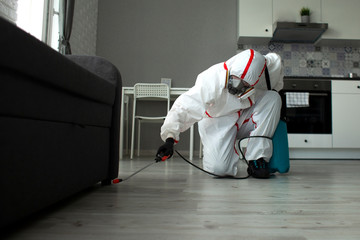
Pest Control Services: Protecting Your Home and Health Year Round

pest control

It usually happens quietly. A scratching sound in the wall at night. Tiny droppings in the pantry. Ants forming a line across the kitchen counter. At first, you hope it is nothing. Maybe it is just a one time issue. But deep down, you know something has changed. Your home no longer feels completely yours.

Pests have a way of slipping into everyday life without warning. They hide in dark corners, behind appliances, inside walls, and under floors. Once they settle in, they multiply quickly. What begins as a small inconvenience can grow into a serious problem that affects comfort, property, and even health. Pest control is not just about eliminating bugs or rodents. It is about restoring peace of mind and protecting the place where you live. Understanding how infestations start, how they spread, and how to manage them properly makes all the difference. Visit https://www.benspest.biz/ to learn more.

Why Pest Control Matters More Than You Think

Many people underestimate the impact pests can have. A few ants or a single mouse might seem harmless. In reality, these small intruders can cause significant damage over time.

Rodents chew through wires, insulation, and even structural materials. That damage can lead to electrical hazards or costly repairs. Termites feed on wood from the inside out, weakening support beams and flooring before visible signs appear. Cockroaches contaminate surfaces and food, spreading bacteria in the process.

Beyond property damage, pests can affect health. Rodents and insects may carry pathogens that trigger illness. Allergies and asthma symptoms often worsen in homes with ongoing infestations. Bed bugs, while not known to transmit disease, cause stress and sleep disruption that can impact overall well being.

Effective pest control protects both the structure of your home and the people inside it. It addresses immediate problems while reducing the risk of long term consequences.

Common Household Pests and Their Warning Signs

Different regions face different pest challenges, but certain invaders are common in many homes. Recognizing the signs early allows for faster action.

Ants are often drawn to food and moisture. You may notice them gathering near sinks, pet bowls, or pantry shelves. A steady trail usually indicates an established colony nearby.

Rodents leave behind droppings, gnaw marks, and greasy smudges along baseboards. You might hear scratching sounds at night or find shredded materials used for nesting.

Cockroaches prefer dark, damp environments. They are commonly spotted in kitchens and bathrooms. A musty odor or small black droppings can signal their presence even if you rarely see them during the day.

Termites are more difficult to detect. Hollow sounding wood, bubbling paint, or discarded wings near windows may point to an infestation. Because they operate behind walls, professional inspections are often necessary.

Spiders, while sometimes harmless, can become a nuisance if populations grow. Large numbers may indicate a food source nearby, such as other insects.

Knowing what to look for helps you respond before the issue escalates.

How Pest Infestations Begin

Pests enter homes in search of three things: food, water, and shelter. Even well maintained properties can offer opportunities.

Small cracks in foundations, gaps around doors, and unsealed utility lines create entry points. Open windows without screens allow insects to fly inside. Overgrown vegetation near exterior walls provides cover and easy access.

Inside the home, crumbs on floors, uncovered trash bins, and standing water attract unwanted guests. Cluttered storage areas offer hiding spots and nesting materials.

Seasonal changes also play a role. During colder months, rodents look for warmth. In warmer weather, insects reproduce more rapidly and expand their territory.

Once pests establish a nest, they reproduce quickly. What begins with one or two intruders can become a colony in a short time. That rapid growth is why early intervention is so important.

Professional Pest Control Versus DIY Methods

When pests appear, many homeowners turn to over the counter sprays and traps. In some cases, these solutions provide temporary relief. However, they often address only visible pests rather than the root cause.

For example, spraying ants may eliminate the ones you see on the counter, but the colony remains hidden in walls or soil. Traps can catch a few rodents, yet others continue nesting nearby.

Professional pest control services take a more comprehensive approach. Technicians assess the entire property to identify entry points, nesting sites, and contributing factors. Treatment plans are designed based on the specific pest and the severity of the infestation.

Professionals also have access to products and methods not available to the general public. These treatments are applied strategically to maximize effectiveness while minimizing risk to residents and pets.

Another advantage is ongoing monitoring. Follow up visits ensure that the problem has been resolved and help prevent recurrence. While DIY efforts may seem less expensive upfront, repeated attempts can add up without delivering lasting results.

Integrated Pest Management and Preventive Strategies

Modern pest control often relies on integrated pest management, a strategy that combines treatment with prevention. The goal is not only to remove existing pests but also to make the environment less inviting in the future.

Prevention begins with sealing entry points. Caulking cracks, repairing screens, and installing door sweeps reduce access. Proper food storage in sealed containers limits attraction.

Moisture control is another key factor. Fixing leaks, improving ventilation, and ensuring proper drainage remove water sources that pests depend on.

Landscaping adjustments can also help. Keeping plants trimmed away from the house and removing debris near foundations reduces hiding spots.

Regular inspections are part of a preventive approach. Identifying small issues before they become infestations saves time and money. Prevention requires consistency, but it creates a more stable living environment.

The Importance of Seasonal Pest Control

Pest activity changes throughout the year. Understanding seasonal patterns allows homeowners to prepare in advance.

Spring often brings increased insect activity as temperatures rise. Ants, termites, and other pests become more active during this time. Early inspections can catch emerging colonies before they expand.

Summer heat drives many pests indoors in search of water. Proper sealing and moisture management are especially important during warmer months.

Autumn is when rodents begin seeking shelter from cooler weather. Blocking entry points before temperatures drop reduces the risk of winter infestations.

Winter may seem quiet, but pests that have already entered remain active inside walls and attics. Ongoing monitoring ensures hidden problems do not grow unchecked.

Seasonal pest control creates a cycle of awareness and action that aligns with natural patterns.

Protecting Your Investment and Peace of Mind

A home is often one of the largest investments a person makes. Protecting it from pest damage is both practical and necessary. Termite destruction alone can lead to costly structural repairs. Rodent damage to wiring can create fire hazards.

Beyond financial considerations, there is the emotional aspect. Living with pests creates stress and discomfort. The simple act of relaxing in your living room or preparing a meal should not involve worrying about insects or rodents nearby.

Professional pest control provides reassurance. Knowing that your home has been inspected and treated allows you to focus on daily life without constant concern.

Regular service plans can maintain protection year round. Rather than reacting to emergencies, homeowners can rely on consistent monitoring and preventive care.

Conclusion: A Safe and Comfortable Home Starts with Prevention

Pest control is about more than eliminating unwanted creatures. It is about creating a healthy, secure environment for you and your family. From recognizing early warning signs to investing in professional treatment and prevention, every step contributes to long term protection.

Infestations rarely resolve themselves. Ignoring small issues often leads to larger problems that require more time and expense to correct. By acting quickly and taking preventive measures, homeowners can safeguard both their property and their well being.

A home should be a place of comfort, not concern. With thoughtful pest control strategies in place, you can maintain that comfort and enjoy your space without unwelcome surprises.

Navigation