Comfort inside a home or commercial space is often shaped by details people rarely think about until something stops working. A ceiling fan that hums smoothly on a summer afternoon or an appliance that operates efficiently without tripping breakers is the result of proper installation and careful electrical planning. Ceiling fan and appliance installation is not just about mounting equipment and plugging it in; it is about ensuring performance, safety, energy efficiency, and long-term reliability. When installed correctly, these essential fixtures contribute significantly to indoor climate control, energy savings, and everyday convenience.
Ceiling fans, in particular, remain one of the most cost-effective tools for improving airflow and temperature balance. While air conditioning systems actively cool the air, ceiling fans circulate it, creating a wind-chill effect that makes rooms feel several degrees cooler. During colder months, reversing the fan’s direction pushes warm air down from the ceiling, improving heating efficiency. However, these benefits are only realized when the fan is properly sized, securely mounted, and correctly wired. A poorly installed fan can wobble, generate noise, or even pose a safety hazard. You might need professional Nash Electric LLC help for safety purposes.
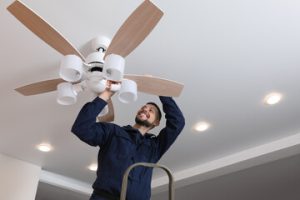
One of the most overlooked aspects of ceiling fan installation is structural support. Unlike standard light fixtures, ceiling fans generate motion and vibration. This means they require a properly rated electrical box that can support the fan’s weight and dynamic movement. Installing a fan onto an unsupported or outdated fixture box can lead to instability and long-term damage. Professional installation ensures the correct mounting bracket, secure fastening, and balanced blade alignment, resulting in smooth, quiet operation.
Electrical configuration is equally critical. Modern ceiling fans often include integrated lighting kits, remote control receivers, and variable speed settings. Each feature requires precise wiring to function correctly. Electricians evaluate the existing wiring, confirm load capacity, and install appropriate switches or dual-control systems when necessary. In some cases, additional wiring must be run to accommodate independent control of the fan motor and lighting system. This attention to electrical detail ensures consistent performance and prevents circuit overload.
Appliance installation follows a similarly meticulous process. Large appliances such as refrigerators, ovens, dishwashers, washing machines, and dryers draw substantial electrical power. Installing them without verifying circuit compatibility can result in frequent breaker trips or damaged components. Professional installers assess voltage requirements, dedicated circuit needs, and grounding conditions before connecting any appliance. This proactive approach protects both the equipment and the property’s electrical system.
Beyond safety, efficiency is a central concern. Energy-efficient appliances are designed to reduce power consumption, but improper installation can undermine those benefits. For example, incorrect leveling of a refrigerator may affect door sealing and cooling efficiency. An improperly vented dryer can increase drying times and energy usage. Installation is not just about connection—it involves calibration, alignment, and ensuring proper airflow and clearance.
Ceiling fans also contribute to energy savings when strategically placed and correctly sized. Installing a fan that is too small for a room limits airflow effectiveness, while an oversized fan may create excessive drafts. Blade pitch, motor quality, and mounting height all influence performance. Professionals consider room dimensions, ceiling height, and intended usage when recommending fan models. For optimal airflow, ceiling fans should typically be mounted at least eight feet above the floor, with blades positioned approximately twelve inches below the ceiling. Precision in these measurements significantly enhances both comfort and energy performance.
Modern homes increasingly incorporate smart technologies, and ceiling fans and appliances are no exception. Smart ceiling fans can connect to mobile devices or voice-activated systems, allowing users to adjust speed and lighting remotely. Many appliances now feature digital interfaces and Wi-Fi connectivity for performance monitoring and energy management. Installing these advanced systems requires knowledge of both electrical wiring and network integration. Proper configuration ensures seamless connectivity and prevents operational glitches.
When considering professional ceiling fan and appliance installation, several core benefits stand out:
- Enhanced Safety – Correct wiring, secure mounting, and proper grounding reduce the risk of electrical fires, shocks, and mechanical failure.
- Improved Energy Efficiency – Accurate calibration and appropriate circuit allocation optimize energy consumption.
- Longer Equipment Lifespan – Professional installation prevents premature wear caused by improper setup.
- Warranty Protection – Many manufacturers require certified installation to maintain warranty validity.
These advantages highlight why professional services are a worthwhile investment rather than an unnecessary expense.
Ventilation is another important component of appliance installation. Kitchen appliances such as range hoods and exhaust fans require proper ducting to remove heat, smoke, and airborne grease. Incorrect venting can lead to moisture buildup, reduced air quality, and long-term structural issues. Bathroom exhaust fans must also be vented appropriately to prevent humidity accumulation that may encourage mold growth. Skilled installation ensures that ventilation systems function efficiently while complying with building standards.
In laundry areas, electrical and ventilation considerations are particularly critical. Electric dryers require dedicated high-voltage outlets, and improper wiring can lead to overheating. Gas-powered appliances involve additional considerations such as proper line connections and exhaust venting. Even washing machines require careful installation to ensure balanced operation and secure drainage connections. Each appliance type presents unique requirements that demand technical precision.
Ceiling fan upgrades also provide aesthetic and functional enhancements. Contemporary designs combine decorative elements with advanced motor technology that operates quietly and efficiently. Installing a new fan can transform the ambiance of a space while improving airflow distribution. However, replacing an existing fixture may reveal outdated wiring or insufficient support structures. Professional installers evaluate these conditions and implement necessary upgrades to ensure compatibility and performance.
Energy conservation remains a significant motivator for upgrading fans and appliances. By combining ceiling fan use with climate control systems, property owners can reduce reliance on heating and cooling equipment. Raising a thermostat setting by a few degrees while running a ceiling fan can lower energy bills without sacrificing comfort. Similarly, energy-efficient appliances consume less electricity and water, contributing to long-term cost savings. Installation quality directly affects whether these savings are realized.
Another often overlooked factor is noise reduction. Improperly installed ceiling fans can produce clicking, humming, or wobbling sounds. Appliances that are not level may vibrate excessively, leading to noise and mechanical strain. Precision installation eliminates these issues through balanced mounting, correct anchoring, and secure electrical connections. The result is a quieter, more comfortable living environment.
Maintenance planning should also be considered during installation. Professionals often provide guidance on routine care, such as cleaning fan blades to maintain airflow efficiency or inspecting appliance filters and vents. Establishing maintenance habits early helps extend equipment lifespan and preserve performance. In some cases, electricians may recommend surge protection devices to safeguard appliances from voltage spikes that could cause internal damage.
Before beginning any ceiling fan or appliance installation project, it is helpful to understand the general process. While specific steps vary depending on equipment type, the typical workflow includes:
- Assessment of Existing Electrical Infrastructure – Evaluating panel capacity, wiring condition, and circuit compatibility.
- Preparation and Mounting – Installing appropriate support structures and ensuring secure attachment.
- Electrical Connection and Testing – Connecting wiring according to manufacturer specifications and verifying safe operation.
- Final Calibration and Inspection – Confirming balance, airflow direction, leveling, and functional settings.
This systematic approach ensures that every component operates as intended from the outset.
For commercial properties, the stakes are even higher. Restaurants, offices, and retail environments rely heavily on functional appliances and effective air circulation to maintain customer satisfaction and operational efficiency. Professional installation minimizes downtime and ensures compliance with electrical codes. In business settings, even minor installation errors can disrupt productivity or compromise safety, making expert services essential.
In today’s energy-conscious environment, integrating ceiling fans and appliances into a broader efficiency strategy makes practical sense. Combining proper installation with energy audits and electrical upgrades creates a cohesive system that supports sustainable living. Advanced load management techniques allow properties to distribute electricity more effectively, reducing strain on circuits and improving overall performance.
Ultimately, ceiling fan and appliance installation is about more than adding convenience to a space. It is an investment in comfort, efficiency, safety, and long-term value. From ensuring proper structural support and electrical compatibility to optimizing airflow and energy consumption, professional installation plays a pivotal role in maximizing performance. When approached with precision and expertise, these seemingly simple upgrades can transform a property into a more comfortable, efficient, and reliable environment.
By prioritizing quality installation and thoughtful planning, property owners can enjoy the full benefits of modern ceiling fans and appliances. Smooth airflow, lower energy bills, and dependable operation are not accidental outcomes—they are the direct result of careful craftsmanship and technical proficiency. In the end, enhancing comfort and efficiency begins with getting the installation right.